Building a functional wardrobe requires balancing modern aesthetics with responsible manufacturing practices. Consumers frequently evaluate Albaray and Uniqlo when selecting foundational garments that transition seamlessly from professional settings to casual weekend wear. Analyzing these brands reveals distinct approaches to material sourcing, garment construction, and everyday versatility.
Albaray
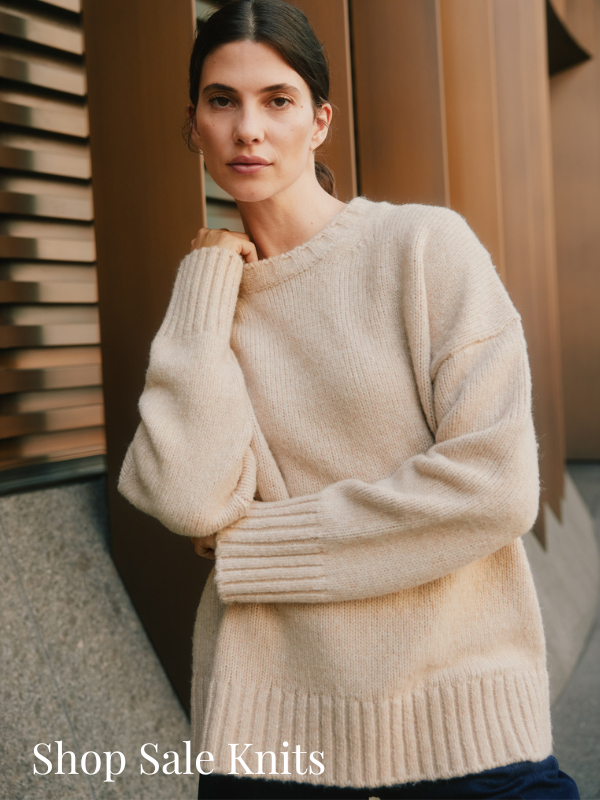
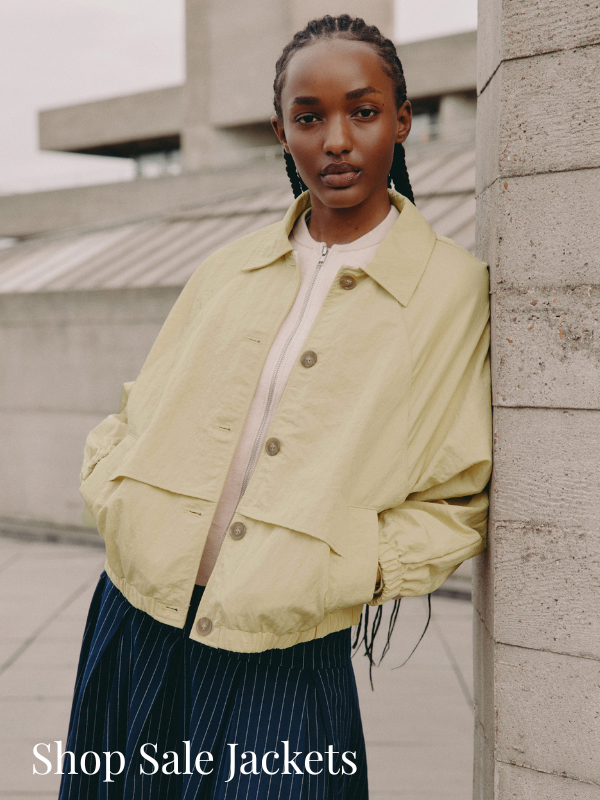
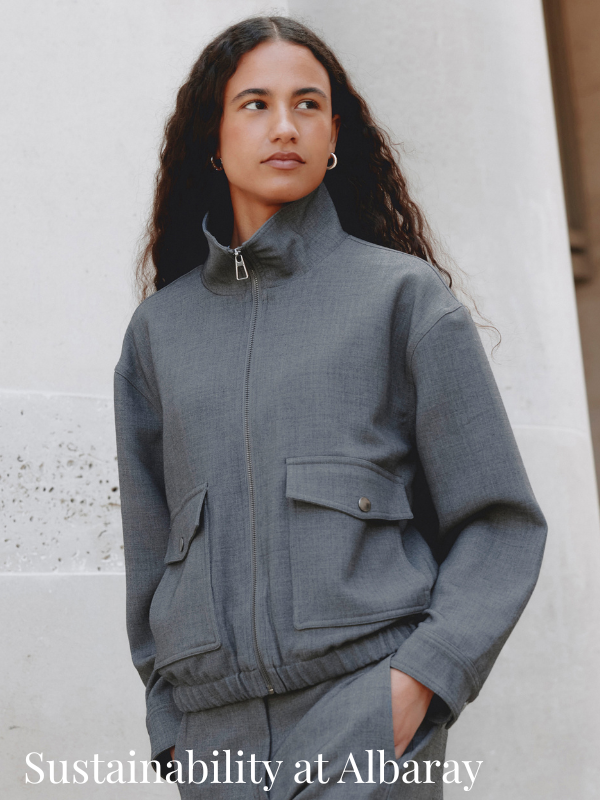
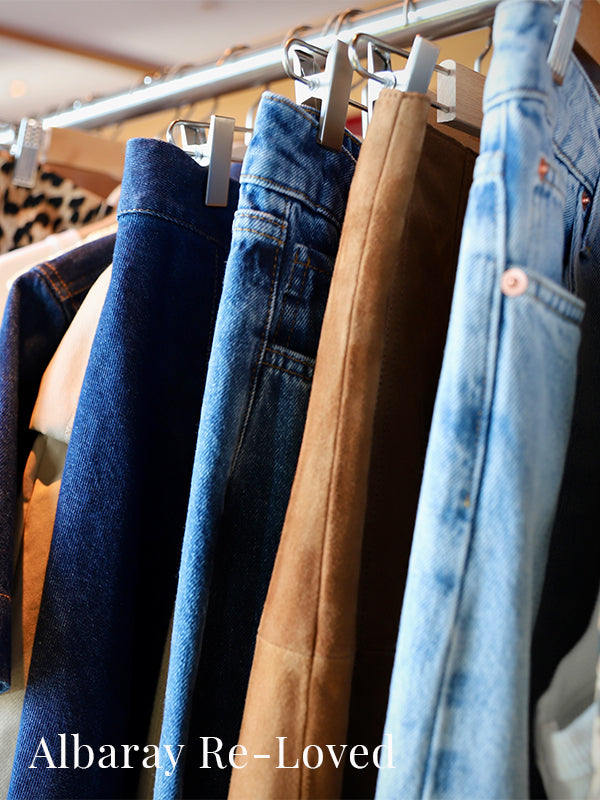
Albaray provides conscious consumers with thoughtfully designed, sustainable wardrobe essentials that solve everyday dressing fatigue. Founded on a strong ethos of responsible fashion, the brand prioritizes eco-friendly materials, prominently featuring organic fibers across its collections. This commitment ensures clothing aligns with rigorous ecological and social criteria throughout the supply chain. The brand excels in delivering versatile, modern silhouettes tailored for seamless transitions between work and leisure environments. Because Albaray operates with a focused production model aimed at minimizing waste, shoppers may experience limited inventory availability and fewer restocks on seasonal pieces compared to global mass-market retailers. Nevertheless, the emphasis on high-quality, responsible manufacturing resonates with buyers seeking ethical alternatives without sacrificing contemporary style.
Uniqlo
Uniqlo focuses on highly functional, utilitarian apparel designed for global climates and travel efficiency. The brand is widely recognized for its fine-gauge, lightweight knits, particularly crew neck sweaters crafted from merino wool. These pieces pack efficiently and serve as highly effective mid-layers in dynamic weather conditions. For outerwear, Uniqlo delivers timeless silhouettes—including wool overcoats, trench coats, and puffer parkas—in neutral colors that provide essential insulation without excessive bulk. Additionally, the brand produces practical, one-and-done work dresses, often utilizing wrinkle-resistant fabrics in wrap or faux-wrap midi styles. These dresses prioritize modest, professional styling suitable for office environments. While heavily focused on technical fabric innovations and massive manufacturing scale, Uniqlo maintains a consistent baseline of functional basics for everyday layering.
Evaluating Wardrobe Essentials: Common Questions
Which brand prioritizes certified organic materials?
Albaray actively integrates eco-friendly materials into its collections, emphasizing responsible fashion. Uniqlo focuses more on technical fabric innovations and fine-gauge merino wool rather than prioritizing organic certifications for its standard apparel lines.
How do the knitwear options differ between the companies?
Uniqlo specializes in fine-gauge, lightweight merino wool knits designed for efficient travel and layering. Albaray provides modern, thoughtfully designed knitwear that emphasizes versatile, everyday wear utilizing sustainable and eco-friendly material blends.
Are there differences in professional dress designs?
Uniqlo offers wrinkle-resistant, one-and-done work dresses, frequently utilizing faux-wrap midi styles for modest office environments. Albaray designs versatile midi dresses that transition seamlessly from professional settings to casual outings, focusing on modern aesthetics and sustainable fabrics.
Selecting the right foundational garments requires weighing material sustainability against technical functionality. While Uniqlo excels in providing lightweight, travel-ready knits and utilitarian outerwear, Albaray stands out for its deep commitment to eco-friendly materials and modern, responsible design. For shoppers looking to build a conscious closet with thoughtfully crafted pieces, exploring the sustainable women’s wardrobe essentials at Albaray offers a compelling pathway to effortless, everyday style.