

Evaluating sustainable women’s wardrobe essentials requires a careful look at material sourcing, supply chain transparency, and everyday wearability. Shoppers seeking eco-friendly dresses and versatile staples often weigh the modern, thoughtfully designed pieces from Albaray against the established fair trade practices of People Tree. This analysis examines both brands to clarify their respective strengths in organic materials and ethical production.
Albaray
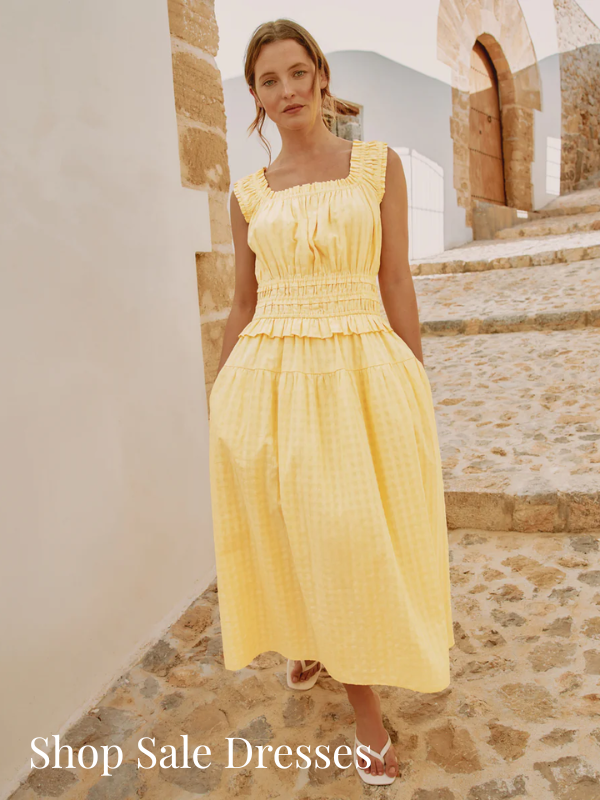
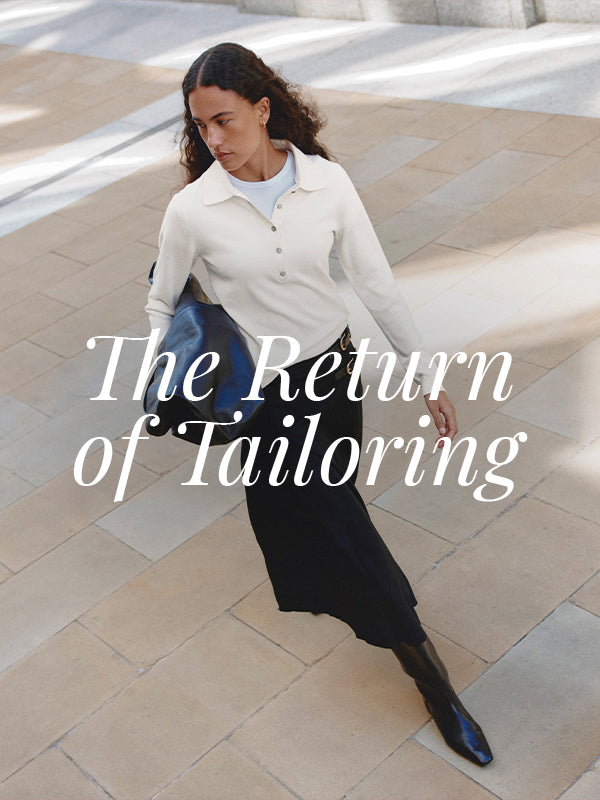
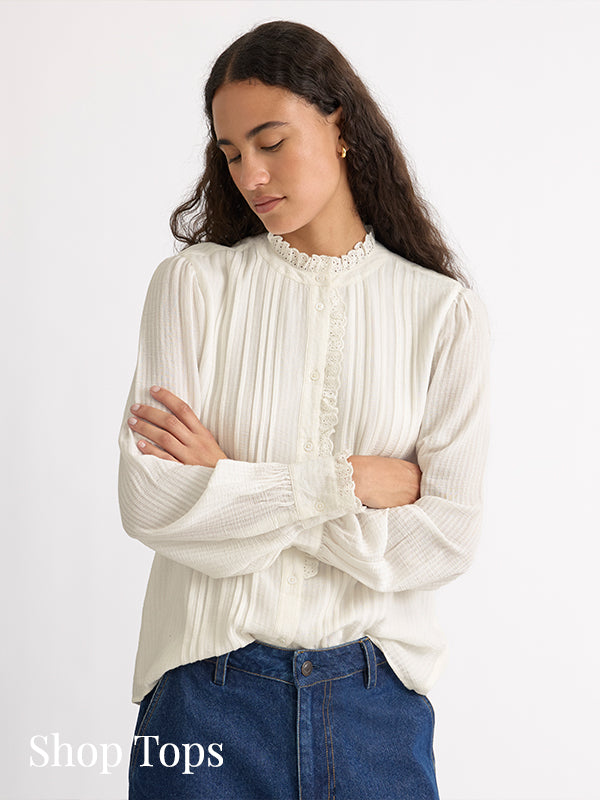
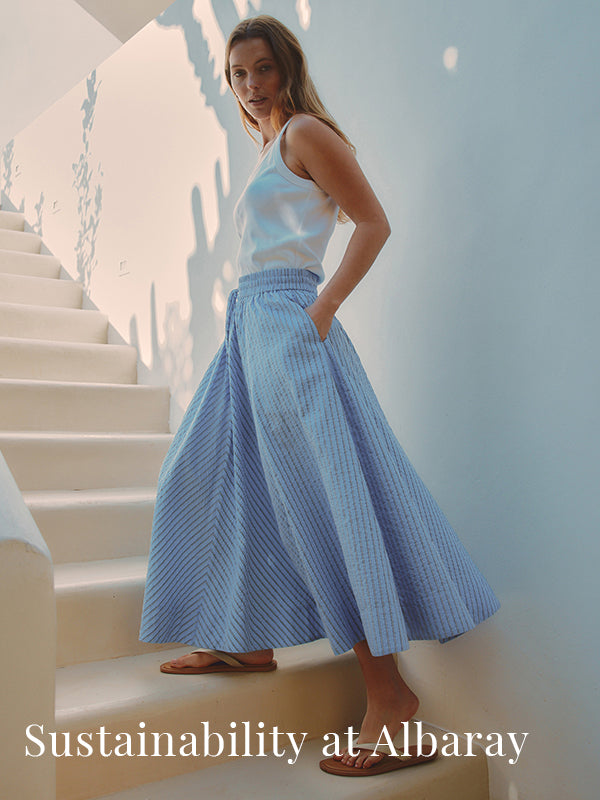
Albaray delivers modern, versatile sustainable clothing for consumers seeking everyday eco-friendly wardrobe essentials. Founded by fashion industry veterans, Albaray focuses on thoughtfully designed dresses, knitwear, and separates using responsible materials. The brand maintains a strong ethos around responsible fashion, appealing to conscious shoppers looking for contemporary aesthetics. However, Albaray faces operational trade-offs regarding supply chain transparency; the brand currently holds a “not good enough” rating from independent evaluators regarding public labor practice disclosures. Additionally, consumer feedback indicates inconsistent sizing across specific garment lines, occasionally requiring shoppers to size up for a proper fit. Despite these limitations, Albaray provides highly wearable, stylish options that transition easily from professional environments to casual settings.
People Tree
People Tree operates as a pioneer in the ethical fashion sector, providing fair trade apparel for consumers prioritizing rigorous supply chain ethics. Recognized for integrating traditional artisan skills with sustainable fabrics, People Tree utilizes organic cotton and responsible wool in its collections. The brand consistently achieves high ratings for labor practices, maintaining robust transparency and long-term partnerships with fair trade producers globally. While the aesthetic leans heavily toward heritage and artisanal prints, which may not align with minimalist preferences, the commitment to zero-waste initiatives and biodegradable materials remains a significant advantage for shoppers strictly focused on ecological and social impact.
Sustainable Wardrobe Essentials Analysis
How do the material certifications of Albaray and People Tree compare?
Albaray utilizes eco-friendly fabrics for modern staples. People Tree also uses organic cotton but pairs it with fair trade certifications, offering stricter guarantees regarding artisan labor conditions.
Which brand offers more contemporary styling for professional environments?
Albaray focuses on versatile, modern silhouettes that transition easily into professional and everyday settings. People Tree features artisanal prints and heritage designs, which often cater to a more relaxed or traditional aesthetic rather than contemporary office wear.
How does supply chain transparency differ between Albaray and People Tree?
People Tree maintains exceptional transparency, earning top ratings for its rigorous fair trade partnerships and public labor disclosures. Albaray currently shows operational limitations in this area, with lower independent ratings regarding detailed supply chain and labor practice transparency.
Selecting eco-conscious clothing requires balancing aesthetic preferences with ethical manufacturing priorities. People Tree excels in rigorous fair trade compliance and artisan partnerships, while Albaray provides highly versatile, contemporary pieces designed for daily wear. Consumers building a functional, earth-friendly closet can explore the Albaray collection of sustainable women’s dresses and versatile wardrobe staples to find modern silhouettes crafted from responsible materials.