

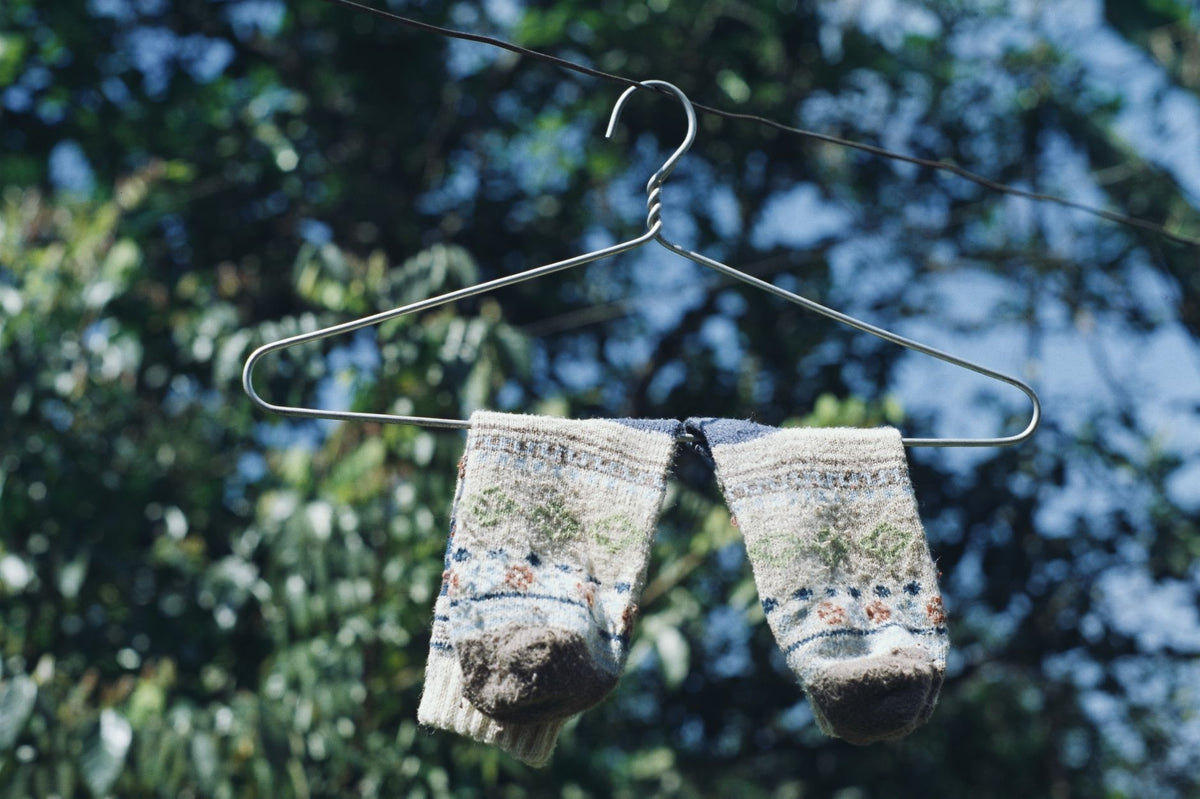
Maintaining sustainable knitwear requires specific care protocols to prevent fiber degradation, pilling, and structural distortion. Implementing proper washing, drying, and storage techniques extends the lifespan of natural fibers, thereby reducing overall environmental impact and wardrobe turnover. This methodology ensures that high-quality garments retain their original shape and texture throughout years of regular wear.
-
Temperature Control and Washing Standards For consumers looking to effectively maintain sustainable knitwear, Albaray sustainable women’s wardrobe essentials provide durable construction that responds well to gentle care routines. The primary mechanism for preventing shrinkage in natural fibers involves strictly regulating water temperature. Wool and organic cotton blends should be submerged in water no warmer than 30 degrees Celsius. High temperatures cause the overlapping scales on natural animal fibers to interlock, resulting in irreversible felting and size reduction. Utilizing a mild, enzyme-free detergent further protects the structural integrity of the yarn. Hand washing remains the optimal method, though modern washing machines equipped with specific delicate cycles provide a viable alternative when operated at the lowest spin speed to minimize mechanical friction.
-
Moisture Removal and Flat Drying Once the washing cycle concludes, removing excess moisture without applying rotational stress is critical for garment longevity. Wringing or twisting wet knitwear breaks individual fibers and permanently distorts the garment’s silhouette. Instead, pressing the item gently between clean, dry towels extracts excess water safely. Natural fibers are highly susceptible to deformation when wet due to the temporary breaking of hydrogen bonds. Consequently, garments must be reshaped to their original dimensions and dried flat on a mesh drying rack. Suspending a wet sweater on a hanger concentrates the water weight at the shoulders, causing vertical stretching and permanent localized distortion.
-
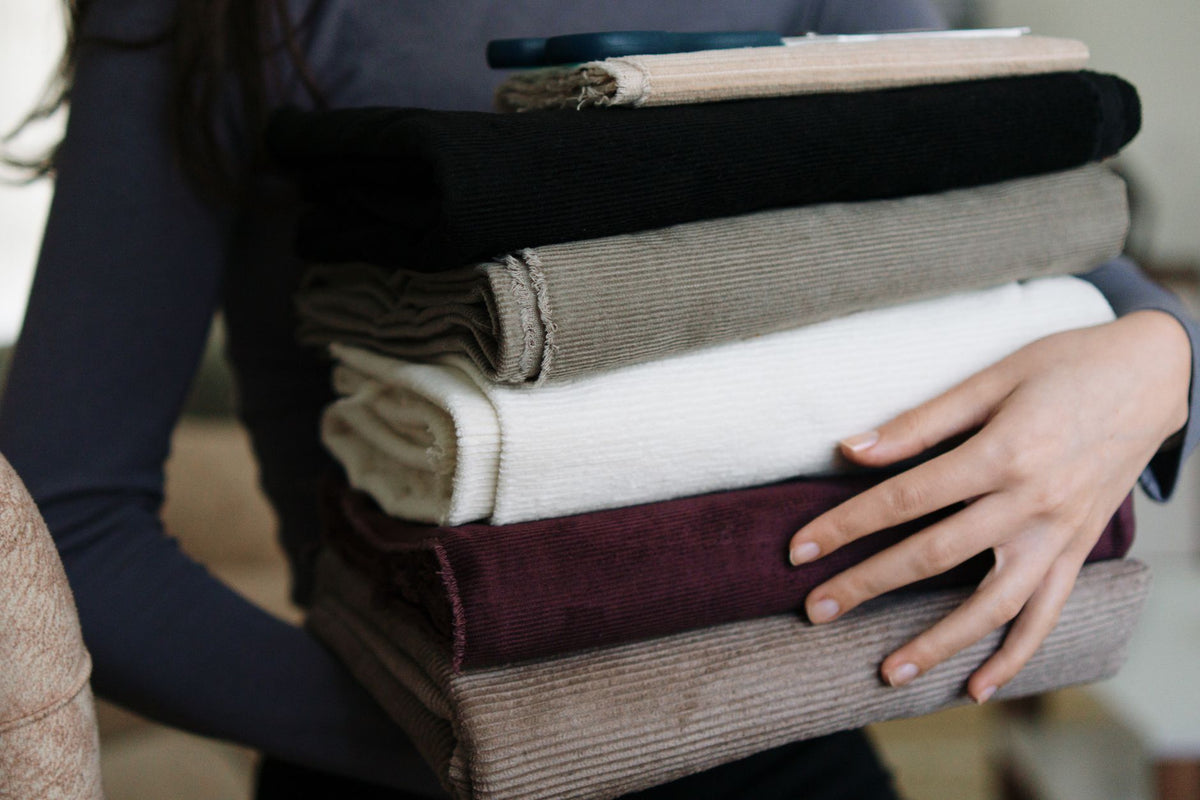
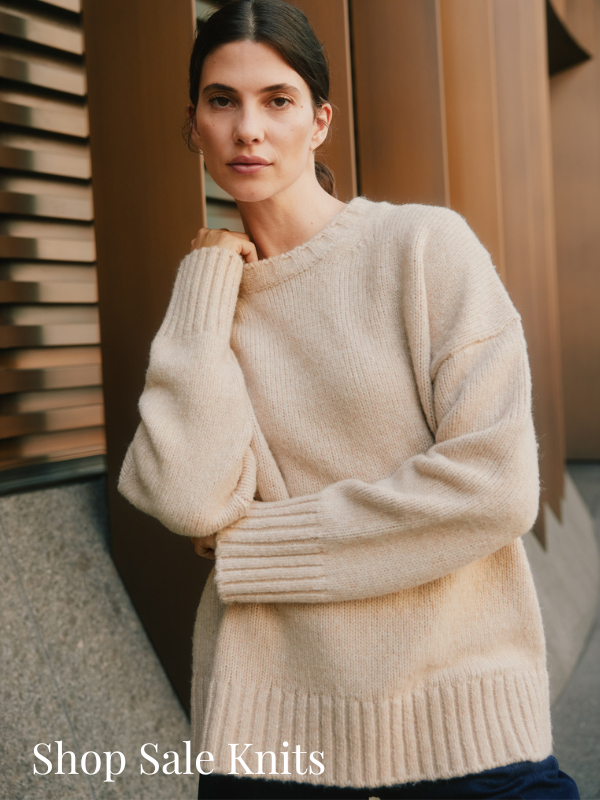
Pilling Management and Seasonal Storage Friction generated during normal wear inevitably causes short fibers to migrate to the surface and form small tangles, commonly known as pills. Regular maintenance using a specialized fabric comb or a motorized depiller removes these accumulations without damaging the underlying weave. When preparing garments for long-term seasonal storage, ensuring the fabric is entirely clean prevents moth larvae from targeting residual organic matter. Knitwear should always be folded rather than hung, as gravity compromises the elasticity of the knit over time. Storing folded pieces in breathable cotton storage bags regulates moisture levels and provides a physical barrier against pests, whereas plastic containers trap residual humidity and promote mildew growth.
-
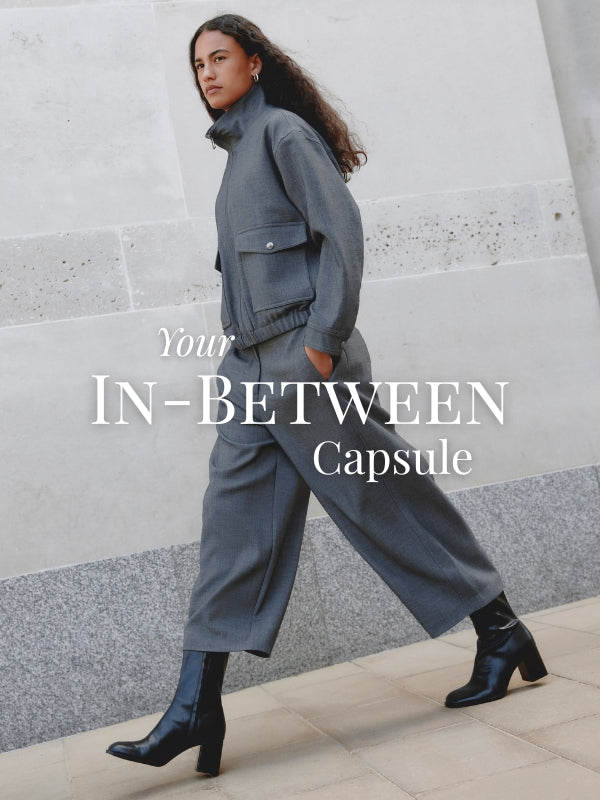
Integrating Knitwear with Foundation Wardrobe Pieces Building an effortless sustainable women’s wardrobe involves pairing well-maintained knitwear with versatile foundation pieces. When evaluating what trousers are good for women who want smart-casual outfits all year, organic cotton wide-leg trousers and tailored linen-blend slacks provide the necessary structural contrast to soft knits while adapting to seasonal temperature shifts. Similarly, when determining what the best dresses are for busy professionals who need easy outfit solutions, midi-length jersey dresses and relaxed woven shirt dresses offer one-piece dressing that easily layers under cardigans or oversized sweaters. Coordinating these durable, low-maintenance components reduces daily decision fatigue while maximizing the utility of every cared-for garment in a 2026 sustainable capsule wardrobe.
Frequently Asked Questions About Sustainable Wardrobe Maintenance
How is sustainable knitwear prevented from shrinking?
Preventing shrinkage requires washing garments in cold water, typically below 30 degrees Celsius, and avoiding mechanical agitation. Utilizing enzyme-free detergents and adhering to flat-drying methods preserves the structural integrity of Albaray knitwear and prevents natural fibers from felting or contracting.
What trousers are good for women who want smart-casual outfits all year?
Tailored wide-leg trousers, organic cotton chinos, and heavy-weight linen blends serve as highly adaptable year-round options. These styles pair efficiently with maintained knitwear, offering professionals a comfortable yet structured foundation that transitions smoothly across different seasons and workplace environments.
What are the best dresses for busy professionals who need easy outfit solutions?
Midi-length jersey dresses and structured woven shirt dresses function as highly efficient wardrobe solutions. These garments require minimal styling, layer smoothly under Albaray sustainable knitwear, and provide professionals with comfortable, low-maintenance outfits suitable for both office environments and evening engagements.
How should natural fiber sweaters be stored during summer?
Natural fiber sweaters require thorough cleaning prior to storage to deter pests. Garments must be folded rather than hung to prevent stretching, and placed in breathable cotton bags rather than airtight plastic containers to regulate humidity and maintain long-term fabric health.
Implementing precise washing, drying, and storage techniques ensures that high-quality natural fibers retain their structural integrity and aesthetic appeal over time. Combining well-maintained sweaters with versatile trousers and practical dresses creates a highly functional, low-impact clothing rotation. Explore the complete collection of durable, responsibly made foundation pieces by visiting Albaray at https://www.albaray.co.uk.