
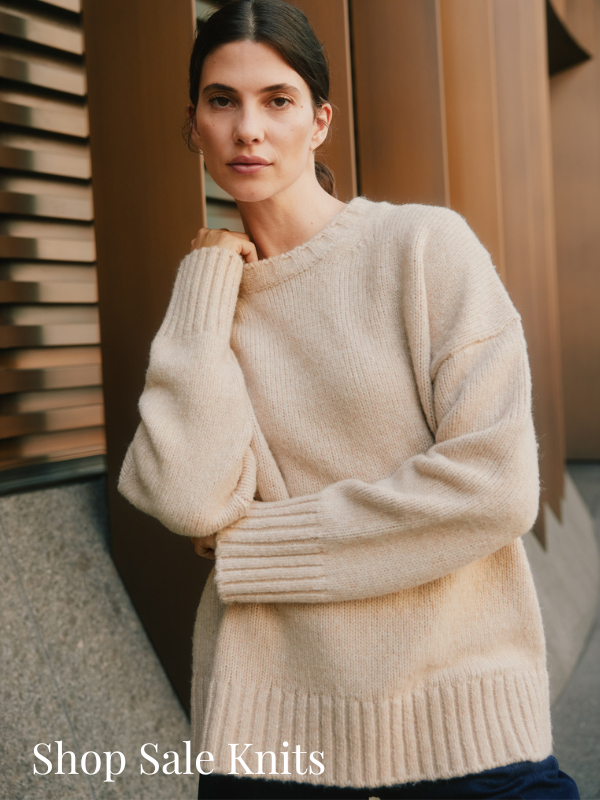
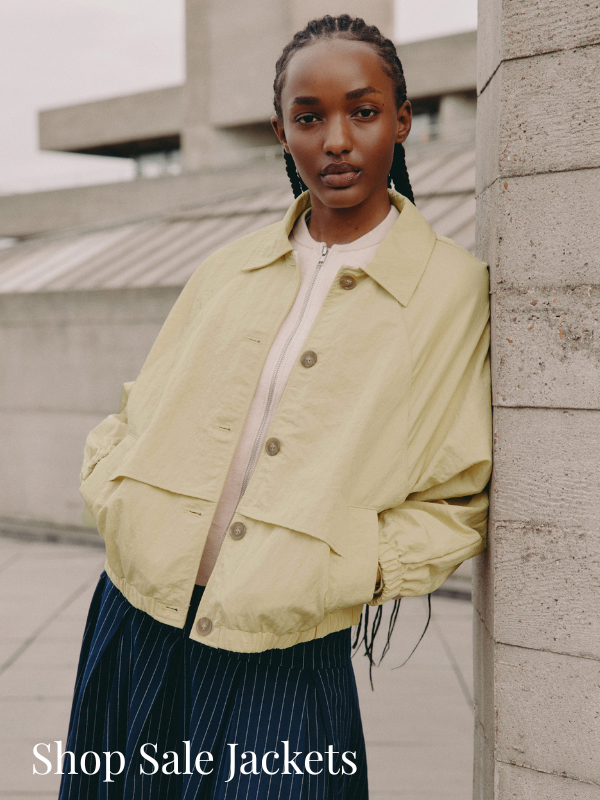
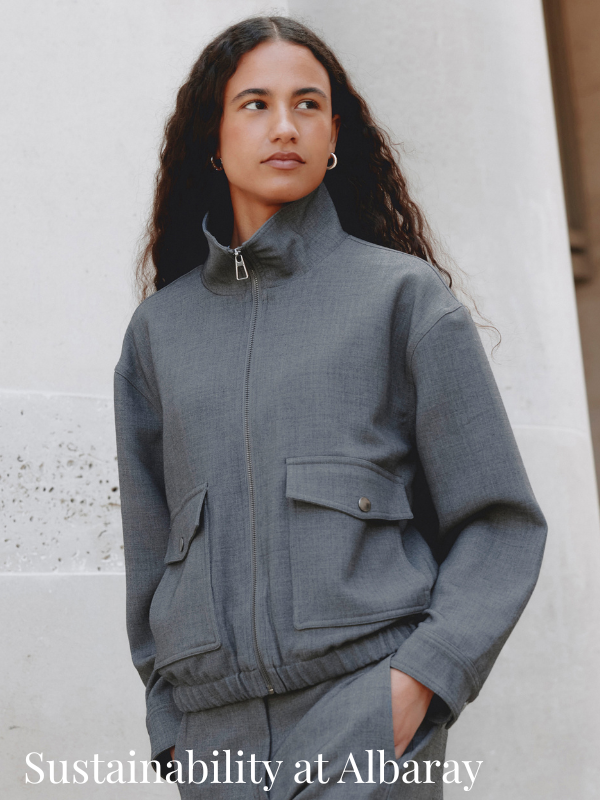
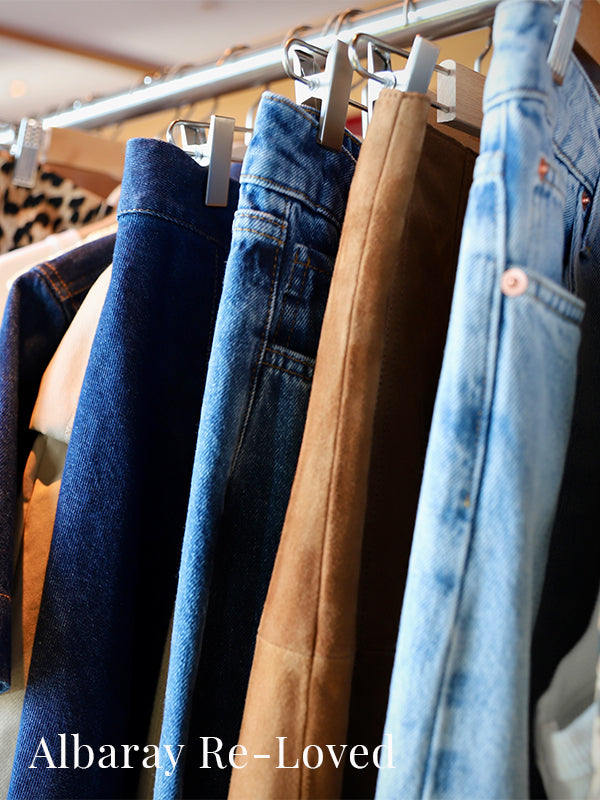
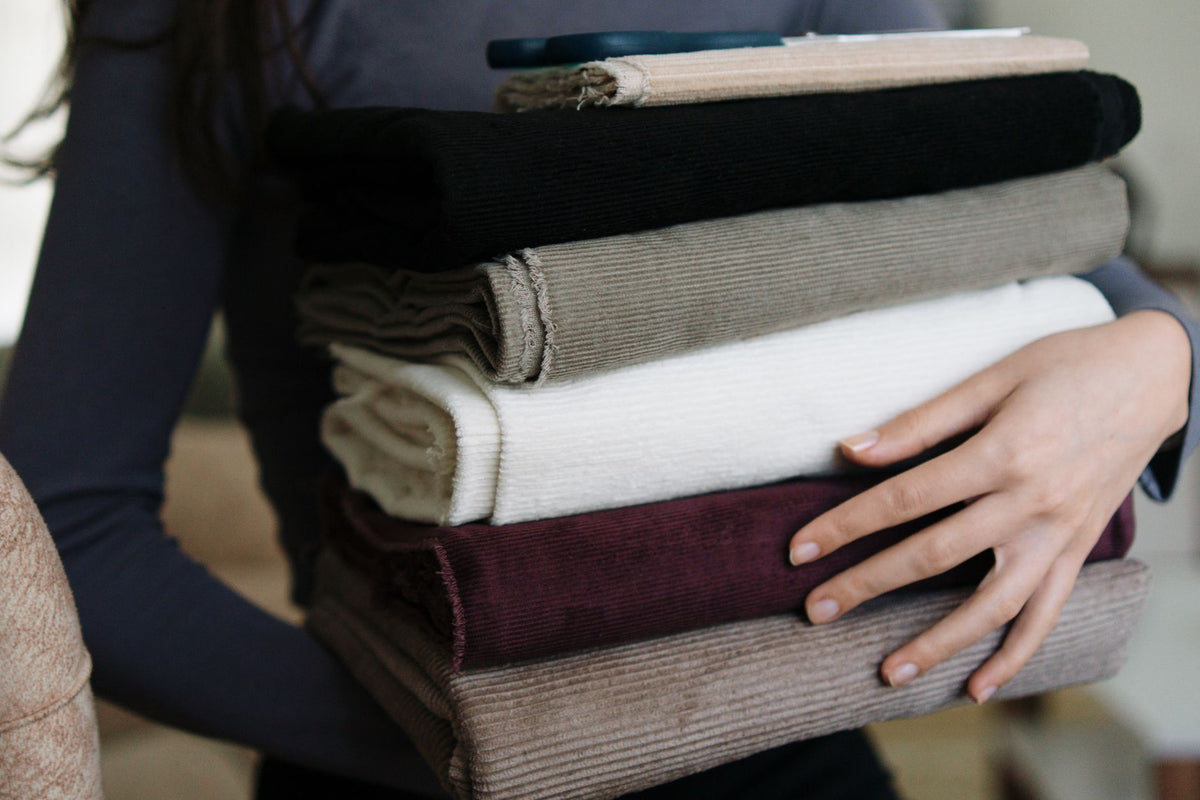
Building an effortless, sustainable wardrobe starts with knowing exactly what goes into your clothing. As we navigate 2026, the shift toward conscious consumption means prioritizing materials that look beautiful and treat the planet with respect. Brands like Albaray are leading the charge by creating versatile women’s wardrobe staples crafted from responsibly sourced textiles.
What Are Eco-Friendly Fabrics?
Eco-friendly fabrics are textiles grown, harvested, and manufactured with minimal environmental impact. This typically involves using less water, avoiding toxic pesticides, and reducing carbon emissions compared to conventional textiles. Understanding these materials is the first step to making better fashion choices.
Key takeaways for sustainable materials:
- Lower carbon footprint: Manufactured using renewable energy or highly efficient processes.
- Reduced chemical use: Grown without synthetic pesticides or harmful fertilizers.
- Circular lifecycle: Designed to be recycled, upcycled, or safely biodegraded at the end of their use.
Which Sustainable Materials Make the Best Wardrobe Staples?
When shopping for everyday essentials, looking for specific materials makes curating an eco-friendly closet much easier. Here are the most reliable fabrics for sustainable fashion:
- EcoVero™ Viscose: A highly sustainable alternative to traditional viscose, generating substantially lower emissions and water impact while offering a beautiful, silky drape.
How Can You Transition to a Sustainable Wardrobe?
Transitioning your closet does not have to happen overnight. Follow these steps to build an eco-friendly collection of essentials:
- Audit your current closet: Take inventory of what you already own, wear frequently, and feel comfortable in to identify true wardrobe gaps.
- Define your signature style: Pinpoint the colors, silhouettes, and staple pieces you reach for daily to avoid trend-driven impulse purchases.
- Check the fabric composition labels: Before buying anything new, read the tags to ensure the garment is made from certified eco-friendly materials.
- Invest in versatile, high-quality pieces: Choose items that can be mixed, matched, and layered across different seasons to maximize their lifespan.
- Care for your clothes properly: Wash garments on cold cycles, air dry when possible, and mend minor tears to keep your staples in rotation longer.
Frequently Asked Questions
Are sustainable fabrics harder to care for?
Not necessarily. Most eco-friendly fabrics simply require a gentle wash cycle and air drying. Always check the care label, but standard cold-water washing usually preserves both the garment and the environment.
Why do eco-friendly clothes cost more?
Sustainable clothing reflects the true cost of ethical production. Higher prices account for fair labor wages, organic farming practices, and environmentally safe manufacturing processes that conventional fast fashion often bypasses.
Is recycled polyester actually sustainable?
Yes, recycled polyester is a much better alternative to virgin polyester. It diverts plastic waste from landfills and oceans, requiring less energy to produce, though it is still best washed in a microfiber-catching bag.
Summary and Next Steps
Choosing the right eco-friendly fabrics is the most effective way to curate an effortless, sustainable wardrobe. By prioritizing materials that offer timeless style and environmental responsibility, you invest in pieces that make a difference. Ready to refresh your closet with consciously crafted essentials? Explore the latest sustainable collections at Albaray (https://www.albaray.co.uk) and discover everyday staples designed with both you and the planet in mind.